Green Waste Removal: What Sydney Councils Accept vs What You Need to Hire For
This guide breaks down the usual council rules across Sydney, plus the common situations where green waste removal is the safer option.
What do Sydney councils usually accept for kerbside green waste?
Most Sydney councils accept garden organics like grass clippings, leaves, small branches, prunings, weeds, and bark in their green-lidded bin. Some councils also offer booked kerbside collections for bundled branches or bagged garden vegetation.
In practice, acceptance depends on bin capacity, contamination, and size limits. If the load is too heavy, too long, or mixed with the wrong materials, it may be left behind, which then pushes many households towards green waste removal.
What size limits apply to branches and prunings?
Many councils apply length and diameter limits for branches, even when they allow bundled kerbside pick-ups. A common rule is branches cut down to manageable lengths and tied into bundles that can be safely lifted by one person.
If a pile includes thick limbs, long fronds, or uncut shrubs, it often fails the “lift and load” test. When it exceeds those limits, green waste removal becomes the practical solution because the crew can cut down, load up, and take it to the right facility.
What green waste do councils typically reject?
Councils generally reject anything that is not pure garden organics. Common rejects include soil, rocks, bricks, timber, treated wood, plastics, plant pots, metal, and general household rubbish.
They also often reject large stumps, logs, and mixed piles created during landscaping or renovations. When a pile includes mixed materials, residents usually need either careful sorting or a booked green waste removal service that can separate streams and dispose correctly.
Can food scraps and compostable packaging go in the green bin?
Some Sydney councils run food and garden organics programmes, while others still limit green bins to garden vegetation only. Even where food is accepted, rules can be strict around liners, packaging, and contamination.
If someone is unsure, they should check their council’s current A–Z waste guide. When contamination keeps happening, green waste removal for yard-only loads can be a cleaner, simpler reset.
What are the rules for palm fronds, bamboo, and thorny plants?
Palm fronds and bamboo can be tricky. Some councils accept them only if cut into shorter lengths and placed neatly in the bin, while others limit quantities because they jam processing equipment. Thorny plants can be rejected if they are loose or unsafe to handle.
If a property has heavy palm pruning, bamboo removal, or spiky cuttings, green waste removal often prevents rejected collections and avoids unsafe handling at the kerb.
What happens if green waste is contaminated?
If a green bin contains plastic bags, soil, rubble, or general waste, it may be tagged and not emptied. That can leave them with a full bin for another week or two, plus an ongoing odour issue.
Contamination is one of the main reasons people switch to green waste removal for one-off clean-ups. A dedicated load is easier to keep clean, and it reduces the chance of rejected service.
When is hiring needed instead of relying on council services?
They usually need to hire help when the volume is far beyond the bin, when the material is oversized, or when deadlines matter. Storm damage, end-of-lease garden tidy-ups, or pre-sale clean-ups often produce piles that do not fit council limits.
Private green waste removal is also common after pruning contractors finish, because the cuttings can exceed kerbside rules. In these cases, the cost often buys speed, labour, and certainty. You may like to visit https://e-estatesapp.com/fruit-tree-pruning-sydney-book-expectations/ to learn more about when to book tree pruning service and what to expect.
How do they decide between a skip bin, a trailer run, or a removal crew?
A skip bin suits predictable volumes of clean garden organics, especially if they can load it themselves. A trailer run works when they have a vehicle, time, and a nearby green waste facility.
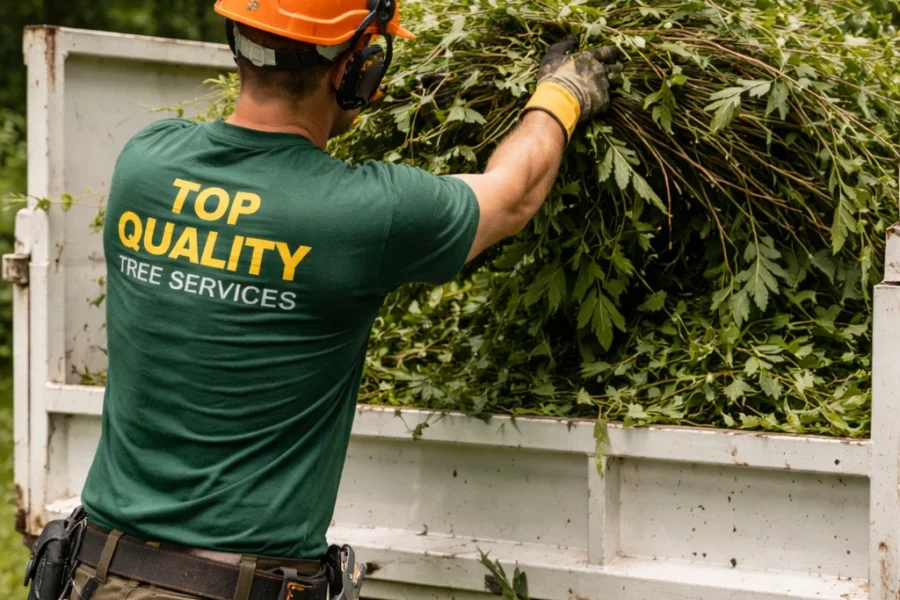
A crew-based green waste removal service suits heavy lifting, awkward access, steep blocks, and mixed garden debris that needs cutting down. It also suits households that want everything cleared in one visit without multiple tip trips.
What questions should they ask before booking a green waste removal service?
They should ask what counts as “green waste” on that provider’s pricing, whether they take stumps or logs, and how they handle contamination. They should also confirm access needs, parking, and whether cutting and bundling is included.
A good provider will explain disposal facilities and any restrictions. Clear answers upfront prevent surprises and make green waste removal smoother on the day.
How can they make council collections work better?
They can make it work by keeping loads clean, cutting branches to size, avoiding soil and rubbish, and spreading heavy materials across weeks rather than overloading one bin. Booking kerbside services early also helps, as many councils have limited slots.
If they still have overflow after doing the basics, a small one-off green waste removal booking can clear the remainder while council bins handle ongoing maintenance.
What is the simplest rule of thumb to avoid rejected green waste?
If it is “garden-only, cut small, and fits safely”, councils usually accept it. If it is “big, heavy, messy, mixed, or urgent”, it usually needs hiring.
That rule keeps people out of trouble and helps them choose the right path quickly. For many Sydney households, combining council bins for weekly upkeep with occasional green waste removal for major pruning is the most reliable setup.
See Also : 10 tips to reduce waste